The History of Bishop’s Park — A People’s Park
An illustrated history of the park from the Victorian era to the present day.
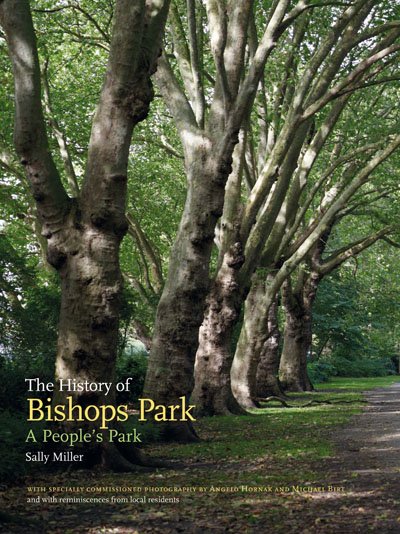
Sally Miller, a member of the Friends of Bishop’s Park, has written a book all about the history of the park — an illustrated history from the Victorian era to the present day.
In the 19th century, the great Victorian public park movement carved out green spaces for Britain’s rapidly growing urban populations. Parks fulfilled an urgent public health need and were thought to moderate social behaviour, providing an elevating alternative to raucous drinking houses and dog fights.
This illustrated history celebrates one of London’s unsung but much-loved public spaces, Bishop’s Park, which adjoins Fulham Palace in west London.
The first granting of land for the purpose of this park was made in 1883 by the Bishop of London, resident of Fulham Palace. Unlike many late-Victorian parks in London, it was not laid out in one grand sweep but accreted piecemeal around the palace over a period of 20 years, and is so closely enmeshed with its neighbour that the two sites are often thought of as one. The book was published to coincide with the reopening of the park following a major project, backed by the Heritage Lottery Fund, to restore key elements of the original design and improve facilities.
Where to buy
The book is available at the Fulham Palace shop, at The Teahouse Café in Bishop’s Park, and at The Palace Gardener. If you have any queries about sourcing a copy, please get in touch via email to chair.bishparkfriends@gmail.com.
For more information on the book from the publishers, please visit the Scala website.
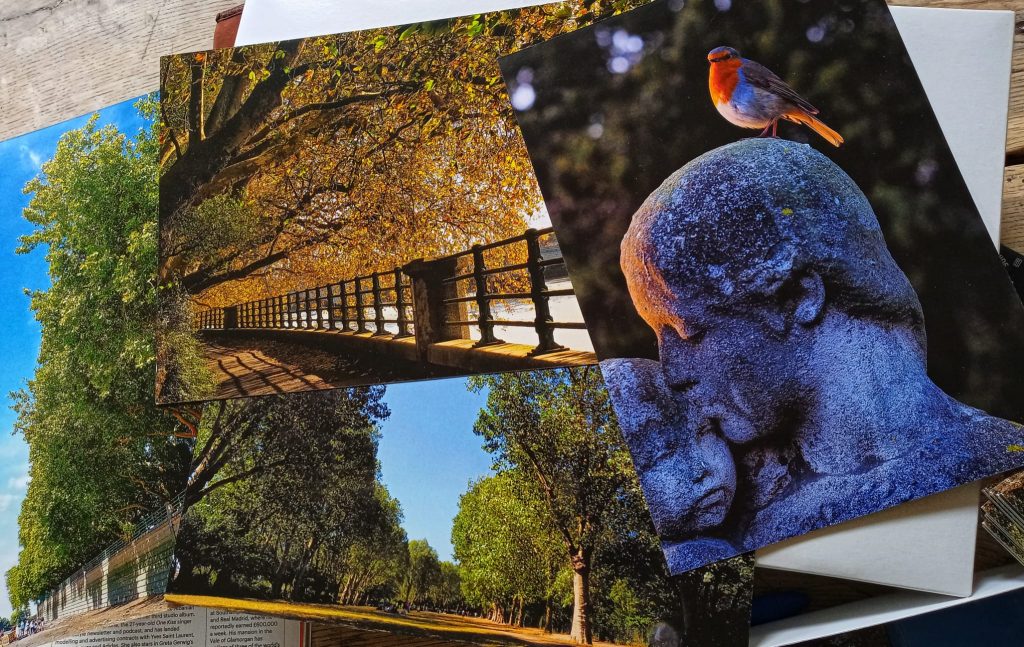
Postcards of Bishop’s Park
A selection of postcards of the park by Victor Ho Photography are available for sale at The Teahouse Café — a lovely way to share a little slice of greenery with friends near and far.