
History of Bishop’s Park
A people’s park, accreted piecemeal around Fulham Palace over more than a century.
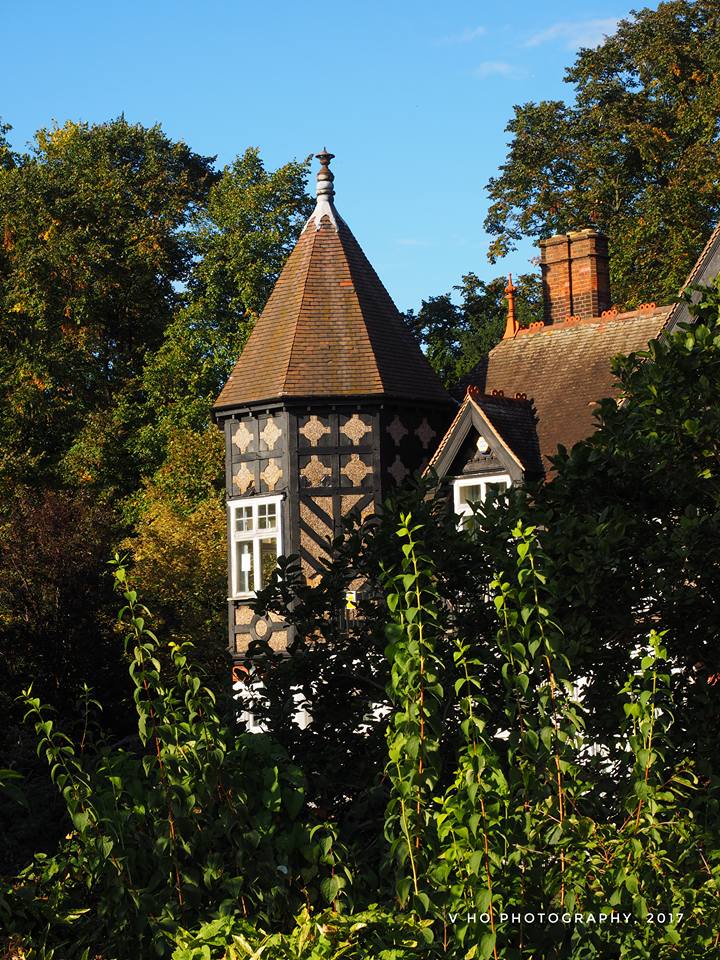
Bishop’s Park
Sir John Hutton, Chairman of the LCC, formally opened Bishop’s Park in 1893. The park included land known as Bishop’s Walk, Bishop’s Meadow and West Meadow, which were conveyed by the Ecclesiastical Commissioners — as Lords of the Manor of Fulham — to the Fulham District Board of Works, on the condition that the land should be laid out and maintained as a public recreation ground.
The Meadows had already been protected from flooding by the creation of an embankment, and the river wall was built by Joseph Mears between 1889 and 1893.
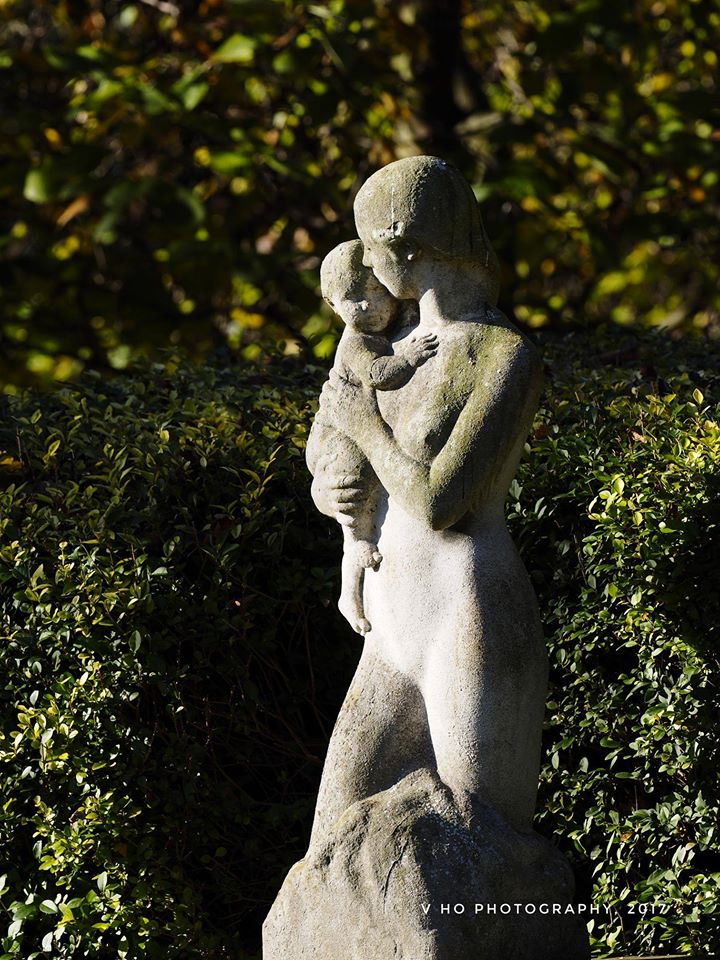
The park was extended in 1894, prior to opening in 1900, by the inclusion of Pryor’s Bank and its gardens. Although the house (then called Vine Cottage) was demolished in 1897, the old gardens were preserved. The gardens contain stone figure sculptures depicting “Adoration”, “Protection”, “Grief” and “Leda”, presented by the sculptor J. Wedgewood. A further sculpture, “Affection” — a mother and child by Herman Cawthorn — was added in 1963.
The grounds of Fulham Palace were, from the 16th century, one of the most important botanical gardens in London, obtaining national and international significance under Bishop Compton, who moved to the palace in 1685. With the aid of George London, the most renowned gardener of his day, the collection was embellished in the 17th century with many exotic species — tulip, walnut and maple trees and a cork oak — with seeds and plants from collectors in the American Colonies, India and North America.
This tradition of collecting continued in the 18th century, when Bishop Porteous planted several cedars, and into the 19th century when Bishop Blomfield planted deciduous cypress and ailanthus. Roque’s Map of 1741–45 shows the Palace surrounded by formal gardens, replaced by landscaped grounds c.1770. The moat, which surrounded the Palace, was filled in 1921–24; archaeological excavations have shown that it had its origins in pre-Saxon defences.
The Friends of Bishop’s Park
The inaugural meeting of the group as currently constituted was held on 19 January 2000 at All Saints School, Bishop’s Avenue, when “all who use and appreciate the Park” were cordially invited. The formation of FoBP represented the first amenity group open to every park user, and strictly non-political.
At the inaugural meeting, FoBP’s stated aim was “to represent the interests of all users of Bishop’s Park over the maintenance, preservation and improvement of the Park for the benefit of all current and future generations.”
The first meeting of members, held on 13 June 2001, elected the initial committee and approved a mission statement and a constitution — based in large measure on that of the very successful Friends of Holland Park — which have guided the group ever since.
“To secure the preservation, protection and improvement of Bishop’s Park as a place of historic and ecological interest, beauty and recreational use.”